Understanding sleep disruption and headache through yin–yang imbalance and modern lifestyle strain

From a Traditional Chinese Medicine (TCM) perspective, insomnia and sleep-related discomfort—regardless of how they present—are fundamentally linked to imbalance between yin and yang.
Sleep, especially nighttime sleep, is understood as a natural process in which yang energy gradually settles downward while yin energy rises and becomes dominant. This transition allows the body and mind to enter a state of rest, repair, and restoration. As morning approaches, yin recedes and yang rises again, preparing the body to wake and function. This rhythm mirrors the natural cycle of the sun setting, the moon rising, and the sun returning at dawn.
When this transition is disrupted, sleep becomes difficult. If yang energy does not settle at night, yin cannot fully rise, making it hard to fall asleep or remain in deep, restorative sleep. From this perspective, difficulty falling asleep, frequent dreaming, light sleep, waking easily during the night, or waking without feeling refreshed are all expressions of the same underlying imbalance.
Modern lifestyle patterns often intensify this disruption. Late nights, irregular schedules, prolonged mental focus, continued physical activity in the evening, and constant stimulation from electronic devices prevent the body from slowing down. Even when the body is physically tired, the mind and nervous system may remain active, making it difficult for the whole system—body, mind, and spirit—to become quiet enough for proper nighttime repair.
When sleep is insufficient or consistently poor in quality, the body’s foundational strength gradually weakens. In TCM terms, this reflects a reduction in upright vitality, which plays a key role in supporting circulation, nervous system regulation, and sensory function. Headaches often emerge under these conditions and are among the most common consequences of prolonged sleep imbalance.
In particular, when internal vitality is depleted, the head and nervous system may become more sensitive. Sharp, throbbing, or persistent headache discomfort can occur, sometimes resisting temporary relief methods such as pain medication. From a holistic viewpoint, these headaches are not isolated problems, but signals that the body has been unable to fully restore itself through proper sleep.
In this framework, insomnia and headache are closely connected outcomes of the same underlying disruption—a prolonged imbalance between activity and rest, yang and yin, driven by modern habits and unresolved strain.

Our approach is grounded in classical Traditional Chinese Medicine (TCM) theory, where the body is viewed as an interconnected whole rather than a collection of isolated parts.
We begin with a conversation and an observation-based wellness assessment. A hands-on review looks at structural relationships involving the spine, ribs, pelvis, and limbs — structural assessment may reveal postural or alignment changes involving the spine, pelvis, and lower limbs, which can influence how the body distributes load and tension over time. We may also guide you through simple movements to notice areas of imbalance, compensation, or restriction.
All of this helps us understand what factors may be contributing to the body’s imbalance, and how discomfort may have developed over time. The goal is not to chase symptoms, but to consider what should be addressed first and in what order, so the body can gradually return toward its own balance.
Sessions use hands-on therapeutic massage techniques, always adjusted to your comfort level. We do not simply chase a single sore spot in isolation — we consider how different areas influence one another, and pair sessions with simple suggestions for daily habits, rest, and gentle movement.
When discomfort has been present for a long time, the process is more patient and gradual, focused on restoring balance and reducing overall load.
Overall, our work is rooted in foundational TCM principles, with a strong emphasis on holistic thinking, personalization, and flexibility. Supporting the body as a whole — and respecting each person’s unique situation — is at the core of how we work.
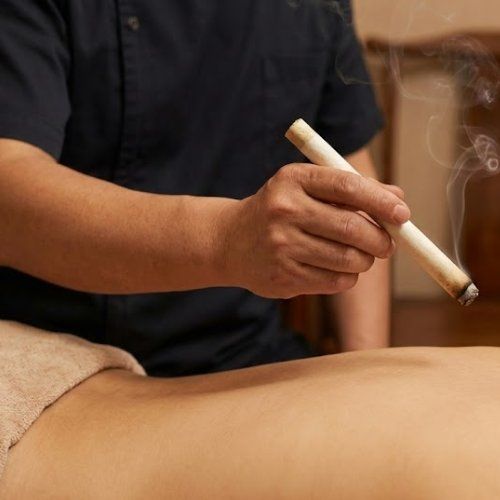
This page focuses on sleep disruption, poor sleep quality, and headache-related discomfort explained through yin–yang imbalance, nervous system strain, and lifestyle factors, using a holistic, consultation-based approach.
Discuss your current discomfort and explore personalized, non-invasive support options.
Mon–Sat 9:00 AM – 6:00 PM · By appointment
or call / text (832) 396-2888