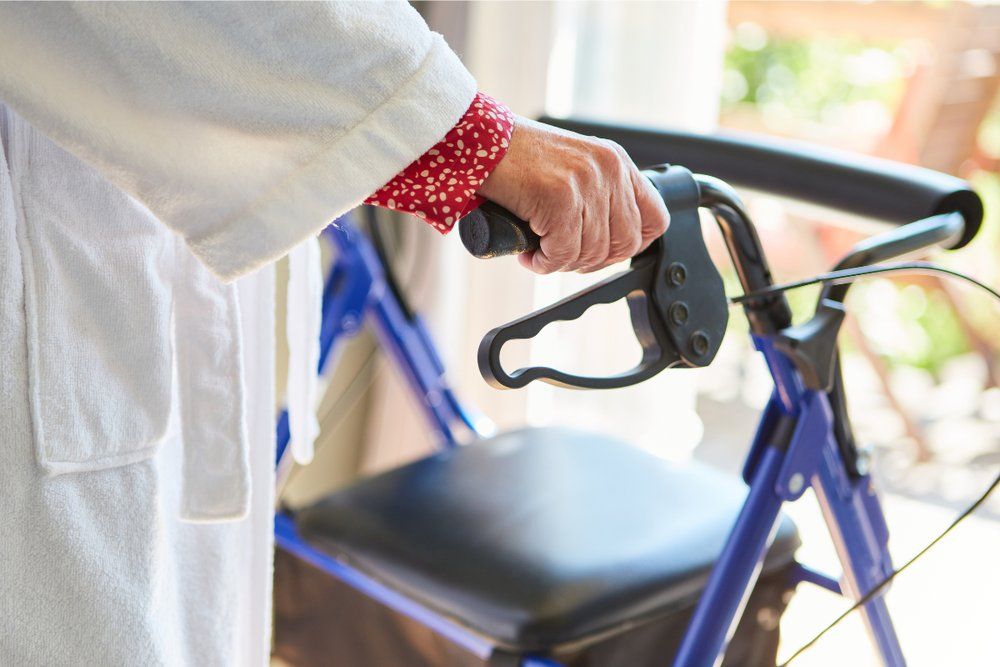
Supporting mobility, coordination, and functional recovery through holistic assessment

From a Traditional Chinese Medicine (TCM) perspective, stroke-related challenges are not viewed as sudden or isolated events, but as the result of long-term internal imbalance that gradually reaches a critical point.
In many cases, changes within the body develop well before a stroke occurs. Through observation-based assessment, TCM practitioners traditionally pay attention to circulation quality and systemic regulation. When circulation becomes impaired over a long period, the risk of serious disruption increases — which is why long-term self-care matters both before and after such an event.
After a stroke, timely support becomes especially important. From a functional standpoint, reduced mobility, weakness, coordination difficulties, or sensory changes are often linked not only to the initial event, but also to how the nervous system adapts afterward. Without regular engagement and guidance, affected areas may be used less and less, making everyday function more challenging.
An often-overlooked fact is that the human brain possesses significant adaptive capacity. Even when certain areas are damaged, other regions may compensate and support function over time. Neurological research has shown that people can continue to live meaningful lives even with partial brain loss. This highlights the value of staying engaged and active at your own pace, rather than focusing solely on structural damage.
From a TCM viewpoint, the body’s network of meridians provides a framework for understanding how stimulation, circulation, and communication between different regions can influence how the body feels and functions as a whole.
In this holistic view, stroke-related mobility challenges arise from the interaction between long-standing internal imbalance, nervous system disruption, and the body’s adaptive response, rather than from a single moment alone.
Our approach is grounded in classical Traditional Chinese Medicine (TCM) theory, where the body is viewed as an interconnected whole rather than a collection of isolated parts.
We begin with a conversation and an observation-based wellness assessment. A hands-on review looks at structural relationships involving the spine, ribs, pelvis, and limbs — structural assessment may reveal postural or alignment changes involving the spine, pelvis, and lower limbs, which can influence how the body distributes load and tension over time. We may also guide you through simple movements to notice areas of imbalance, compensation, or restriction.
All of this helps us understand what factors may be contributing to the body’s imbalance, and how discomfort may have developed over time. The goal is not to chase symptoms, but to consider what should be addressed first and in what order, so the body can gradually return toward its own balance.
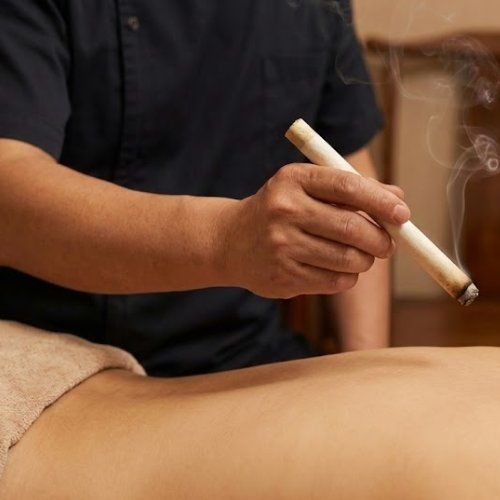
Sessions use hands-on therapeutic massage techniques, always adjusted to your comfort level. We do not simply chase a single sore spot in isolation — we consider how different areas influence one another, and pair sessions with simple suggestions for daily habits, rest, and gentle movement.
When discomfort has been present for a long time, the process is more patient and gradual, focused on restoring balance and reducing overall load.
Overall, our work is rooted in foundational TCM principles, with a strong emphasis on holistic thinking, personalization, and flexibility. Supporting the body as a whole — and respecting each person’s unique situation — is at the core of how we work.
This page focuses on supporting comfort, mobility, and everyday function for people living with stroke-related mobility challenges — alongside their medical and rehabilitation care — explained through long-term internal balance and the body’s adaptive response, using a holistic, consultation-based approach.
Discuss your current discomfort and explore personalized, non-invasive support options.
Mon–Sat 9:00 AM – 6:00 PM · By appointment
or call / text (832) 396-2888